Understanding Debt

In general, society has a basic understanding of what debt is and how it works, but not everyone knows how to manage their personal finances effectively. Many people have no idea how to avoid accumulating unsustainable credit card balances or how debt can have a huge negative impact on their credit report. In addition, debt and credit can have a significant impact on the quality and standard of living. Our credit counselors are prepared to provide you with relevant, practical, relevant information to help you gain control of your financial life.

CREDIT HISTORY

1

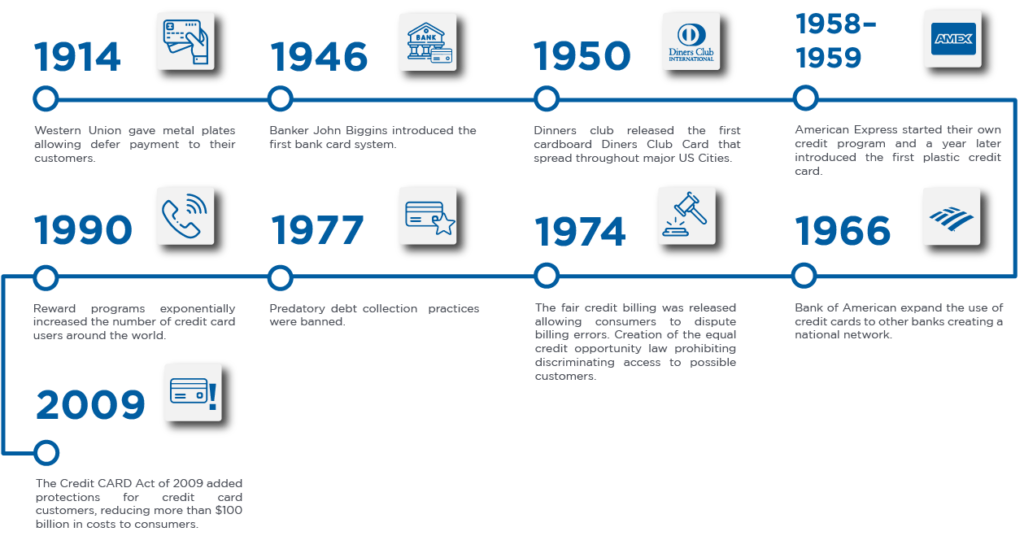
The concept of credit was born from the idea that a monthly payment plan would allow consumers to obtain goods that were otherwise unaffordable. Companies like Singer and Ford were the first to introduce buying on credit to U.S. consumers.

Credit card history and industry

Credit Card history

Credit Card Industry

The Federal Reserve Statistical Release reported that U.S. consumer credit reached $2.564 trillion last year, with a total of 511.61 million credit card accounts.

According to The Nilson Report, the top 10 issuers of general-purpose credit cards, based on outstanding balances, are:

$183.32 billion

$49.69 billion

$166.32 billion
$36.36 billion
$106.74 billion

$29.36 billion*

$88.02 billion
$60.08 billion
$60.08 billion

$49.69 billion

credit bureaus

The term credit bureau is one the most commonly used terms when talking about debt and credit. What is the credit bureau really? Credit bureaus are private firms known as credit reporting agencies that keep track of your present and past records related to your credit and financial situation.


Information collected in the credit bureaus is used by those who are considering giving you credit. In the U.S., there is a top three credit bureaus: Experian, Equifax, and TransUnion. This the firms received information from banks, credit cards, stores, etc. regarding your credit behavior, as well as legal issues you may have had related to payment and credit.

As stated, credit reports contain the most significant information related to your credit behavior and legal issues in reference to your finances. Credit granters can also access:

  • Credit history.
  • Public records.
  • Inquiries Personal Information.
  • Current and previous addresses.
  • Current and previous employers.
  • List of the credit accounts from the last ten years.
  • Tax liens.
  • Bankruptcies.
  • Court judgments(including child support judgments).
  • List of creditors or authorized users who have requested a copy of your credit report.
  • List of inquiries made by the user when seeking loan or credit.

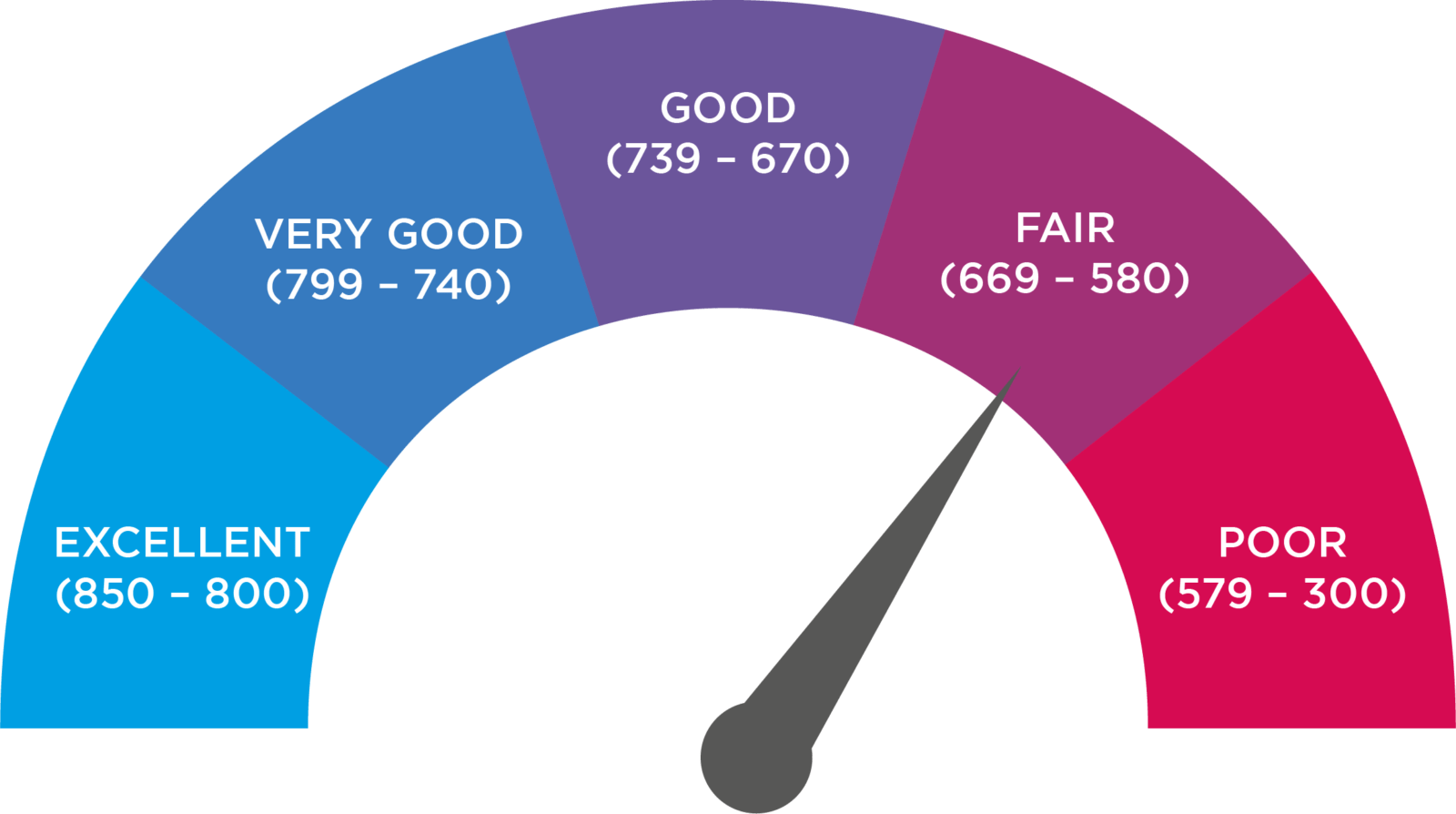
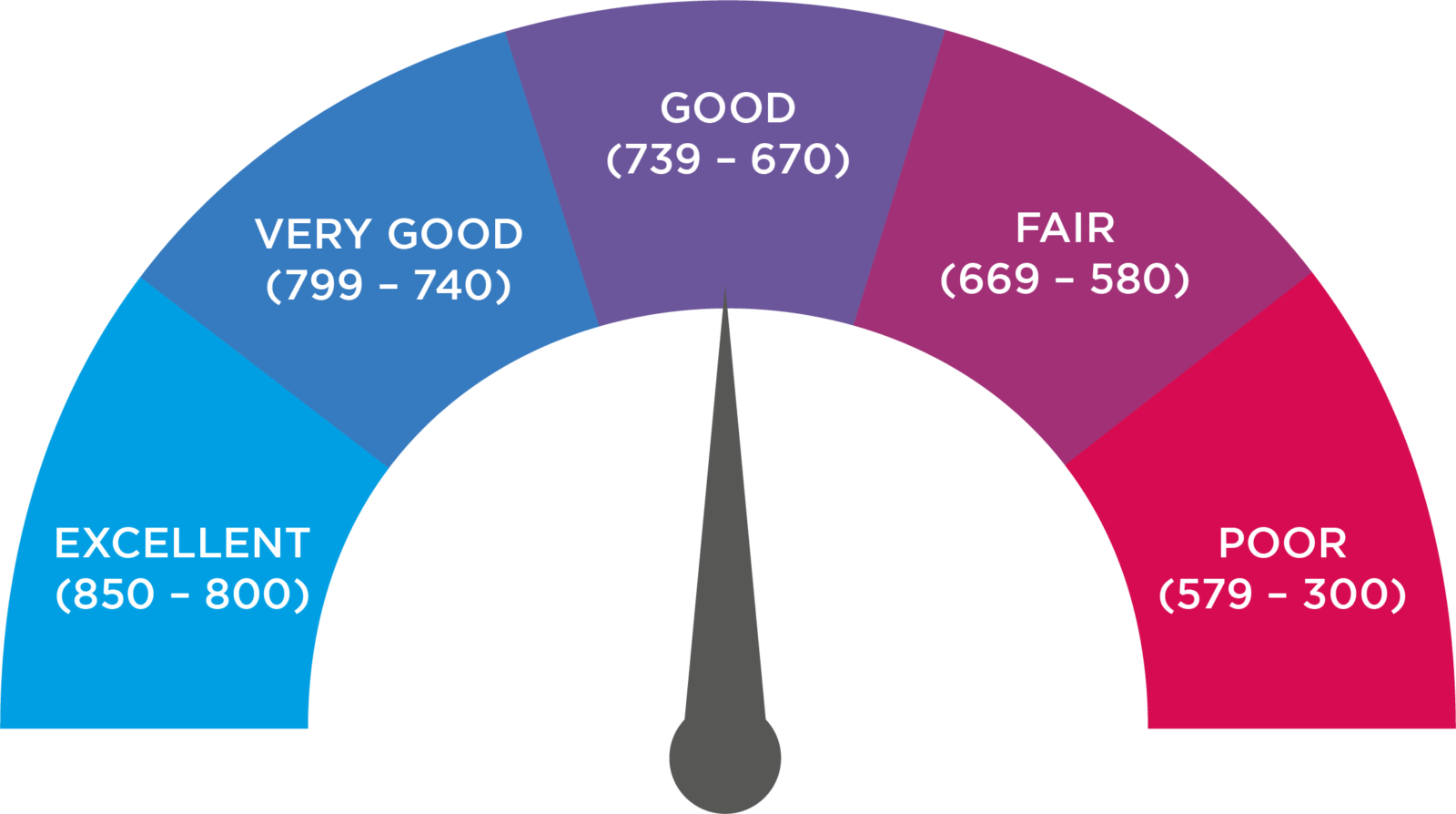
The most used scoring system is FICO which stands for The Fair Isaac Company. The FICO system has five major categories that make up a credit score.
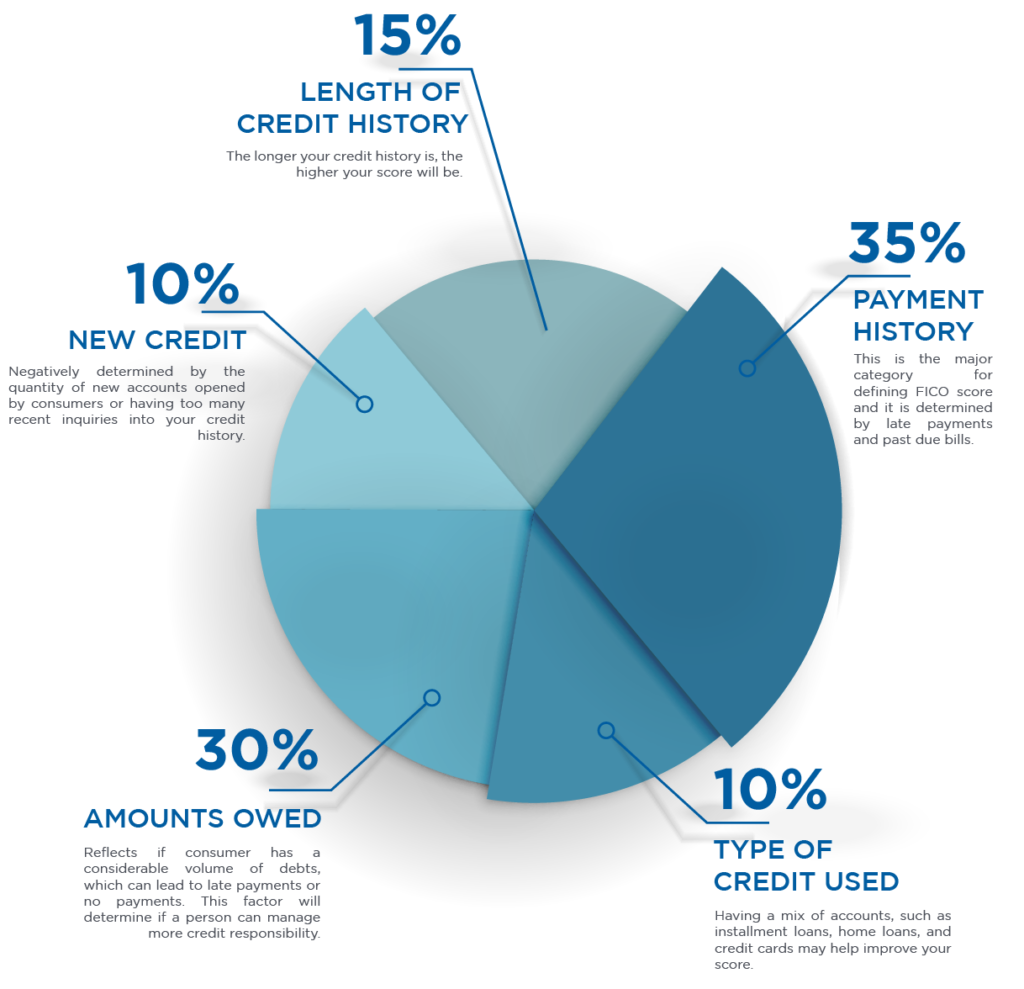
 

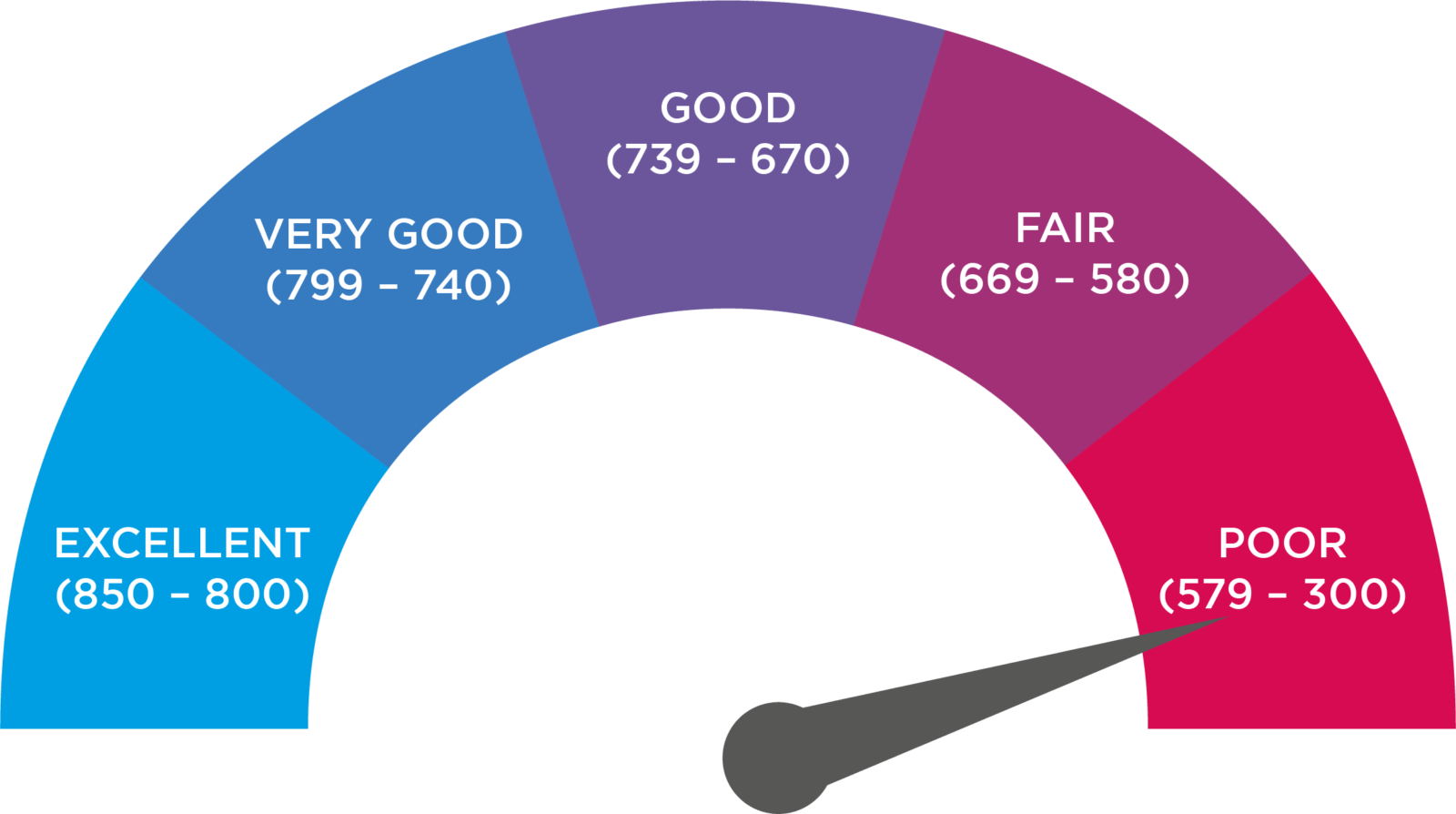
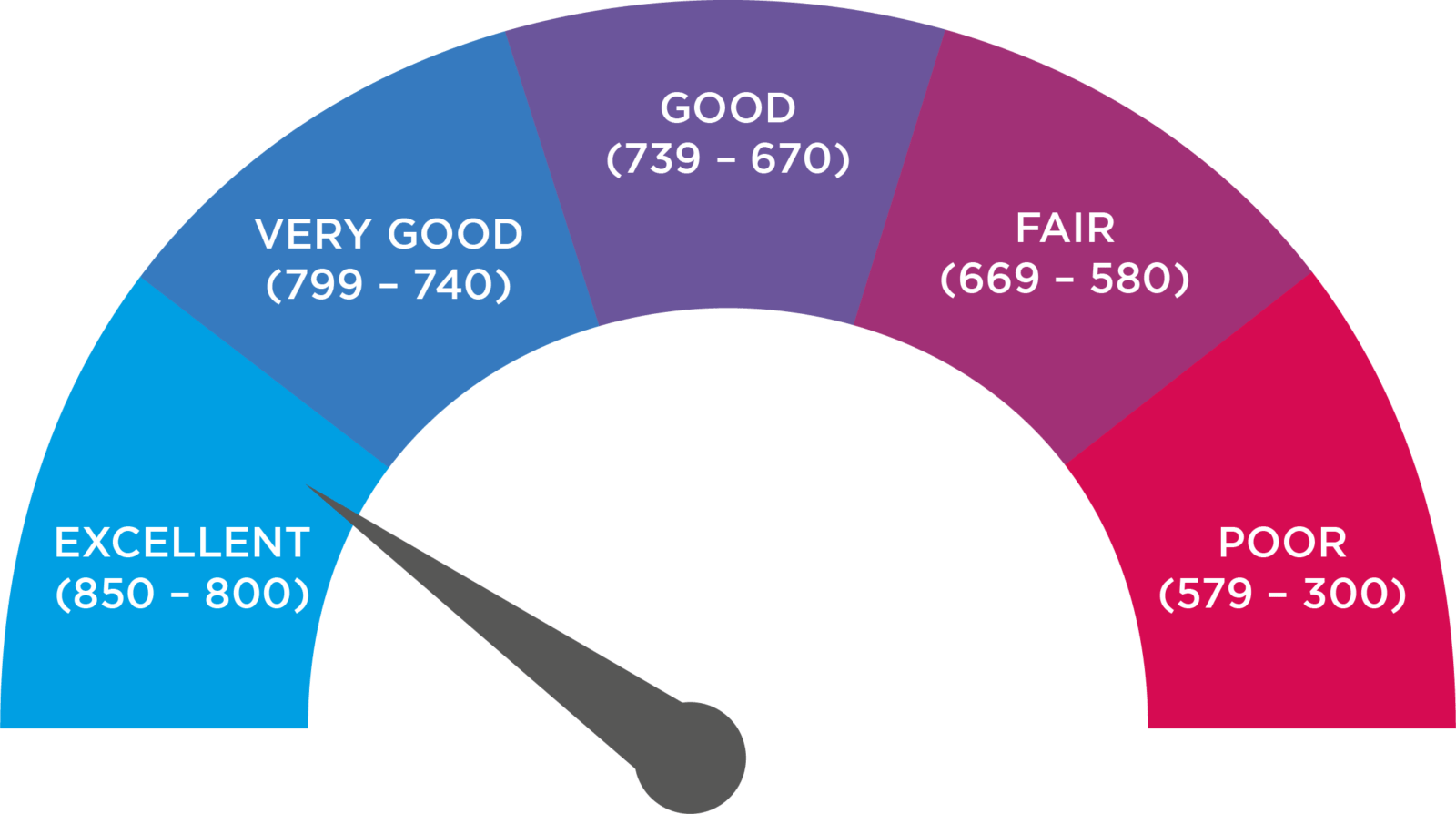
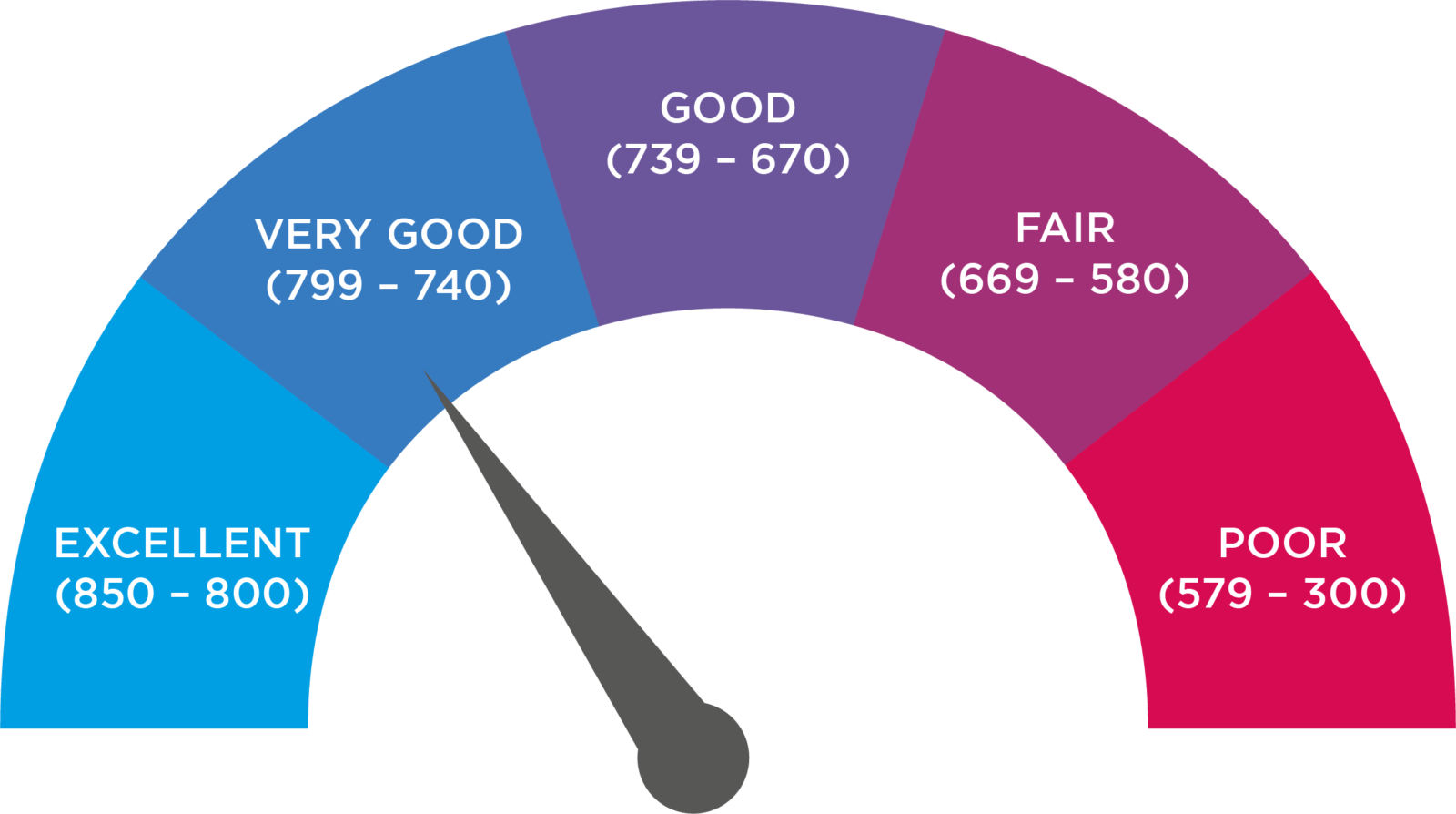
Credit rating is the numerical translation of your credit report. A number between 850 to 300 is used as a score to rates all your credit information, the higher number, the better.

This “number” known as a FICO score can easily impact or prevent you  from getting a job, an apartment, or even increase the cost of your insurance. So, keeping a good score is something you must pay attention to.
1
Excellent
(850 – 800)

This is an excellent credit score range and will give you an open window to credit with good interest rates.
MYTHS AND TRUTHS ABOUT CREDIT

WHY GETTING OUT OF DEBT CAN BE SO DIFFICULT?

Unexpected expenses, emergencies or reduction of income may be difficulties that debtors have to deal with when paying debts. The key to resolving issues is to anticipate problems. Whether you have large or small debts, high or low income or if you are just looking to improve your lifestyle, we are here to help. Weigh your options.

understanding debt - types of consumer credit

Types of consumer credit

There are different types of consumer credit. Knowing the differences will help you manage debt more effectively.

LIFE WITHOUT DEBT IS POSSIBLE

what is credit counseling?

Credit counseling is a financial guidance service that helps consumers with money management, debt management, and budgeting. The main goal of credit counseling is to help a person in debt to avoid bankruptcy.

With the use of proven and effective strategies based on financial education, we help consumers face their financial struggles with confidence and success. More importantly, they will regain full control of their finances and improve their lifestyle.

At Innova Credit Counseling, you will receive support from our certified counselors.

As experienced counselors, we are aware that every customer has a unique situation and that the solution to each difficulty will vary. Analyzing your situation, guiding you, and exploring every available option to ensure successful debt relief is not only our commitment, but also our area of expertise.

The first step is to contact us. Remember that our services are free and regardless of the amount of debt, annual income or credit score.
After speaking with one of our certified counselors, you will be asked general questions regarding your financial situation. We will conduct a step-by-step review of your debts, income and expenses, and you will receive a budget that fits your specific situation.
Our everyday lives involve personal decisions that are made, in large part, from our understanding of budgeting and forecasting, credit ratings, personal debt and regular income. More knowledge in these areas sharpens financial decision-making skills and hopefully prevents personal economic crisis. It simply takes the willingness to make a phone call. The time spent will be an investment in your financial future.

AND REMEMBER WE ARE HERE TO HELP!

3 EASY STEPS TO GET DEBT RELIEF

1. Speak with a counselor for free

Communicate your objectives to an experienced professional. We will ask you the relevant questions in order to determine the proper course of action you should take.

2. Explore the different options

Using the information you provide, we will generate a budget, review your income and expenses and together, you and your counselor will weigh your options.

3. Choose a new course of action

A more informed financial future begins today.  Remember, everything is possible with the right knowledge and support.

THREE MAJOR CONCERNS WHEN FACING DEBT PROBLEMS

Monthly Payment

The average consumer approaches the decision to join a debt solutions program by focusing solely on the monthly payment amount. However, the monthly payment is not the only factor to consider. A debt management program can also reduce the overall repayment period, helping consumers become debt-free sooner instead of remaining on a long-term repayment plan.

Credit Rating Impact

There are some debt solutions programs that actually have zero negative impact on a consumer’s credit report as long as payments remain current. It is important to address decisions that lead to financial crisis.

Total Cost

Our consultation is completely free. Not understanding the debt relief options available can be costly. Learning how to manage your income and expenses effectively is key to reducing your overall cost of living and achieving long-term financial stability.

EXPLORE YOUR OPTIONS.

Call us now!

1-800-701-4005


DO YOU BATTLE WITH MONTHLY CREDIT PAYMENTS?


There are options to get out of debt.. Get help now.


WE ARE HERE TO HELP!

Speak to a credit counselor. We are here to help!