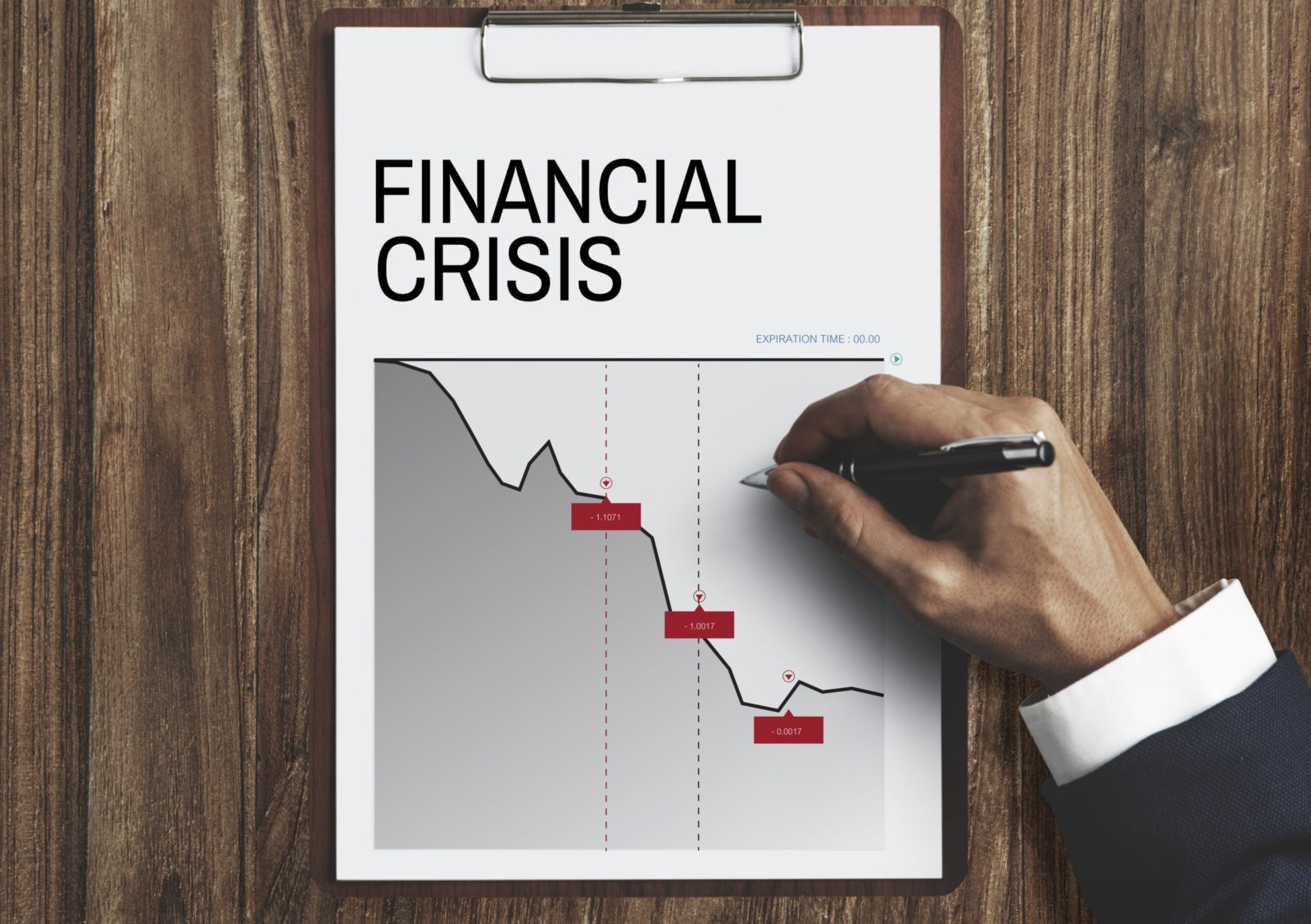

Financial challenges triggered by Covid-19
In a survey completed by Bankrate.com, 42% of consumers in the U.S. with credit card debt have increased their balances since COVID-19 arrived in North America in March 2020. Forty-seven percent of those with increased balances said this was caused by the pandemic.
These results bring to mind a well-known and widespread problem: credit card debt is easy to accumulate and difficult to reduce. One of the main reasons why getting out of credit card debt is so difficult is that the average annual percentage rate is more than 16%.
In the U.S., the average person with credit card debt owes $5,525. Many of them can only afford to make the minimum payments, resulting in staying in debt for about 16 years and paying more than $6,000 in interest.
With a difficult future ahead for that 42%, one possible solution is to negotiate lower interest rates or develop a plan to become debt-free. Nonprofit credit counseling agencies can usually assist consumers at no cost. Borrowers can also consider consolidating their debts with a new loan, reducing expenses to combat debt, prioritizing debts with the highest interest rates first, etc.